


Listen to this article
Audio version — Follow These 6 Easy Steps to Address Common AODD Pump Installation & Operation ProblemsAODD pumps are preferred across a wide range of applications because of their simple design, which makes them easy to operate and maintain. To achieve peak performance, end users must install and operate these pumps correctly. With the right information, most common issues can be corrected within minutes. Here are six practical steps to fix the most frequent AODD pump installation and operation problems.
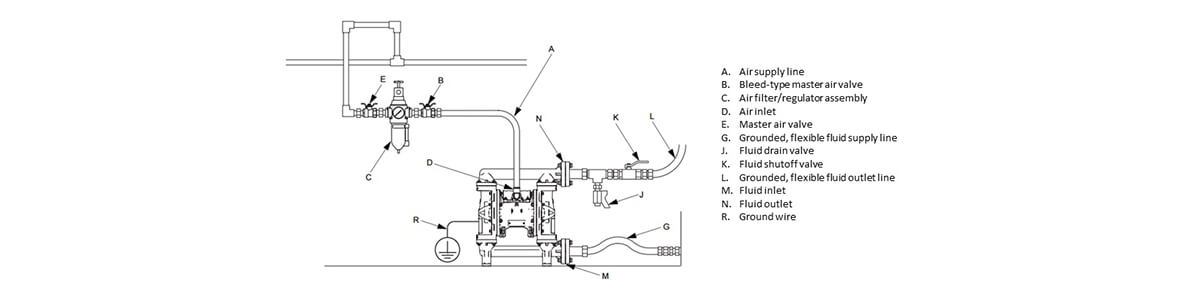
Installing an air line that is too small is the most common mistake users make when installing an AODD pump. A small air line starves the pump of the compressed air required to operate at top performance. Upgrading to a larger air line is an easy fix that takes just a few minutes.
AODD pumps can generate high decibels at high speed — this is why mufflers are recommended during installation. As compressed air exhausts through the muffler, a rapid temperature drop occurs — the exhaust air temperature can fall below freezing, especially in humid environments, causing icing-related issues.
Signs of muffler icing: inconsistent pump operation, high moisture in the air supply, or visible frost on the outside of the muffler.
Leakage is a common problem in all pump types. A few simple fixes can ensure liquid stays inside an AODD pump. Materials relax over time (deformation), which can cause sealing surfaces to loosen and create leak paths.
Follow the correct bolting patterns and re-torque to the manufacturer's specifications to reduce the risk of leakage.
Diaphragm pump suction and discharge port diameters may vary based on the application. Inlet and outlet hose sizes must match the pump's port size.
The major concern with incorrect piping size is the risk of cavitation — which leads to frequent repair and maintenance needs and reduces pump life significantly.
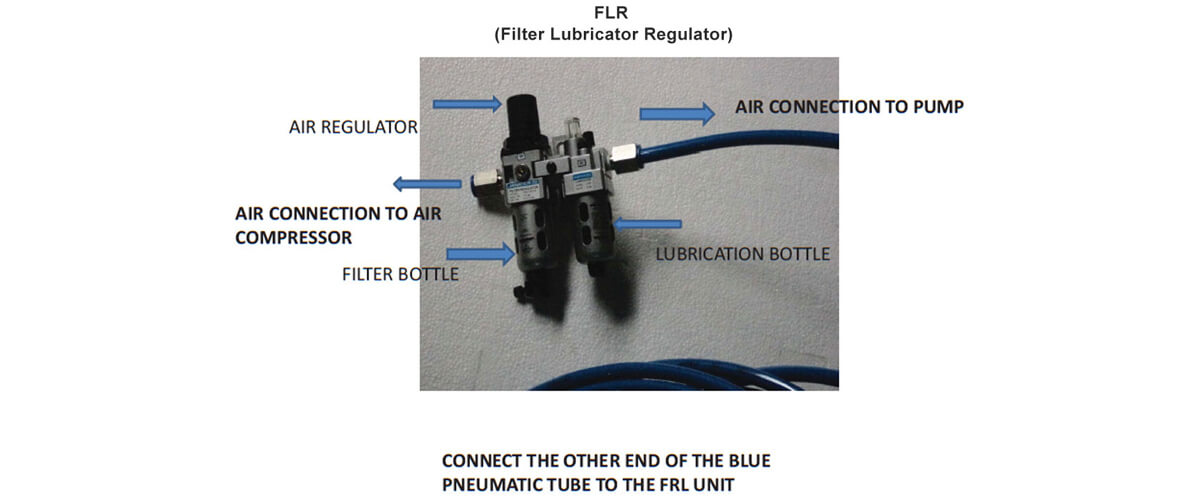
AODD pumps are well known for their self-priming capability. They draw fluid by creating a low-pressure zone (below atmospheric pressure) inside the liquid chambers. If the supplied air pressure is too high, the pump cycles too quickly and there is not enough time for fluid to be drawn into the pump.
Solution: Use the air regulator on the FRL unit to reduce the inlet air pressure and slow the pump down. Once the pump speed has been reduced and the liquid has had enough time to enter the pump, gradually increase the air pressure to normal operating level.
Certain restrictions create back pressure that may negatively affect pump performance and cause cavitation, increasing repair and maintenance needs. Inspect the pump and all piping connections to ensure there are no visible restrictions at both the suction and discharge sides.
Check for the following at both suction and discharge lines:
Our engineers at Antlia Engineering Works, Mumbai are available to provide free technical support for AODD pump installation, commissioning, and troubleshooting.
Contact Our Engineers Call +91 9819395995