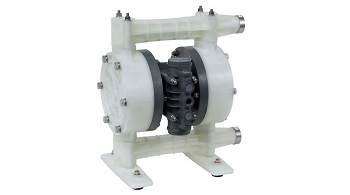
AODD PumpOperating Guide April 2026 Antlia Engineering Works
Do's and Don'ts of AODD Pump — Must Know Operating Guide
Listen to this article
Audio version — Do's and Don'ts of AODD Pump — Must Know Operating Guide
Antlia AODD pumps are dependable, easy to operate, and portable — broadly preferred across various industrial sectors. They are regarded as trustworthy in critical applications owing to their simple design and ease of maintenance. This guide will assist operators to keep their AODD pump running hassle-free and guarantee fast, convenient solutions whenever needed.
✓ DO's of AODD Pump Operation
10 Things You Must Do When Operating an AODD Pump
Monitor air pressure between 4–6 bar and install a pressure regulator to ensure the air supply does not exceed the recommended maximum of 7 bar for all Antlia AODD pump models.
Inspect suction and discharge piping to ensure leak-proof, tight connections. Verify all valves are accessible, ducting has flooded suction, and the end of the pipe is under the liquid level. Inlet and outlet hose sizes must match the pump's end connections.
Position the AODD pump as close to the source tank as possible to minimise suction head, reduce resistance, and ensure optimal self-priming performance.
Keep adequate space around the pumping unit for maintenance and repair purposes. Restricted access to the pump increases maintenance time and difficulty.
Make a note of the model and material of construction (MOC) of the diaphragm pump for future reference — especially the pump body material, diaphragm material, and valve ball material.
Examine the air valve when the pump is stalling. A dirty, worn, or dry air valve is the most common cause of AODD pump stalling. Clean, inspect, and re-lubricate the air valve as required.
Read the installation and operational manual provided with the pump before commissioning. Different pump sizes and models may have specific requirements for air supply, flow, and installation.
Set up a pulsation dampener in the discharge line to reduce pulsation. Also maintain the suction line length and number of fittings to a minimum to improve flow efficiency.
Flush the pump or circulate a cleaning agent after every use to prevent solidification of the liquid inside the pump — especially important for adhesives, paints, resins, or any fluid that dries or hardens over time.
For hazardous, corrosive, or abrasive applications — flush the pump thoroughly before performing any maintenance activity to protect maintenance personnel and prevent chemical exposure.
Key Tip: Installing an FRL unit (Filter, Regulator, Lubricator) on your air supply line is one of the most important best practices — it keeps the air clean, regulated, and lubricated, reducing most common AODD pump issues. Learn more about FRL units →
✗ DON'Ts of AODD Pump Operation
4 Critical Things You Must Never Do
Do not operate the pump at air pressure higher than 7 bar. Over-pressurising damages internal components, shortens diaphragm life, and can cause sudden pump failure. Install a regulator to enforce this limit automatically.
Do not operate the pump outside its temperature limits. All AODD pump materials (PP, SS-316, Aluminium, diaphragms) have specific temperature limitations. Operating above or below these limits causes premature material degradation and pump failure.
Never stick fingers in the vents or any opening of the pump while it is running. The alternating diaphragm movement creates strong suction that can cause serious injury. Always shut down and disconnect the air supply before any inspection.
Do not increase the suction line length beyond recommended limits. Excessive suction line length results in low flow or no suction at all. Keep the suction line as short as possible and minimise the number of bends and fittings.
Safety Reminder: Always wear appropriate safety gear (gloves, safety glasses, protective clothing) when working with an AODD pump handling hazardous, corrosive, or toxic chemicals. Flush the pump thoroughly before any maintenance.
Quick Reference
AODD Pump Operating Parameters at a Glance
Parameter
Recommended
Maximum Limit
Air Pressure
4–6 bar
7 bar (DO NOT exceed)
Air Volume (½" pump)
8–12 SCFM
Per pump model specs
Air Volume (1" pump)
18–20 SCFM
Per pump model specs
Suction Line
As short as possible
Per pump model specs
Flushing After Use
Every use — 3–4 min
Always — no exceptions
Need help with AODD pump selection or operation?
Our engineers at Antlia Engineering Works, Mumbai provide free technical support for AODD pump selection, installation, operation, and maintenance.
What is the maximum air pressure for an AODD pump?
The maximum air pressure for Antlia AODD pump models is 7 bar. The recommended operating range is 4–6 bar. A pressure regulator must be installed to prevent the air supply from exceeding 7 bar, as over-pressurising damages internal components and diaphragms.
Why should an AODD pump be flushed after every use?
Flushing prevents solidification of the pumped liquid inside the pump — especially for chemicals like glue, paint, resins, or any fluid that dries or hardens. A cleaning agent or water should be circulated for 3–4 minutes after each use to keep the pump in working condition.
How close should an AODD pump be positioned to the source tank?
Position the AODD pump as close to the source tank as possible. A long suction line reduces the pump's ability to self-prime and creates resistance that reduces flow rate. Keeping the suction line short with minimal bends and fittings ensures optimal performance.
Is it safe to inspect the pump while it is running?
Never stick fingers in the vents or openings of an AODD pump while it is running. The diaphragm movement creates strong suction that can cause serious injury. Always shut down and disconnect the air supply before any inspection or maintenance.